

Healthy Eating Habits to Bring Into 2026
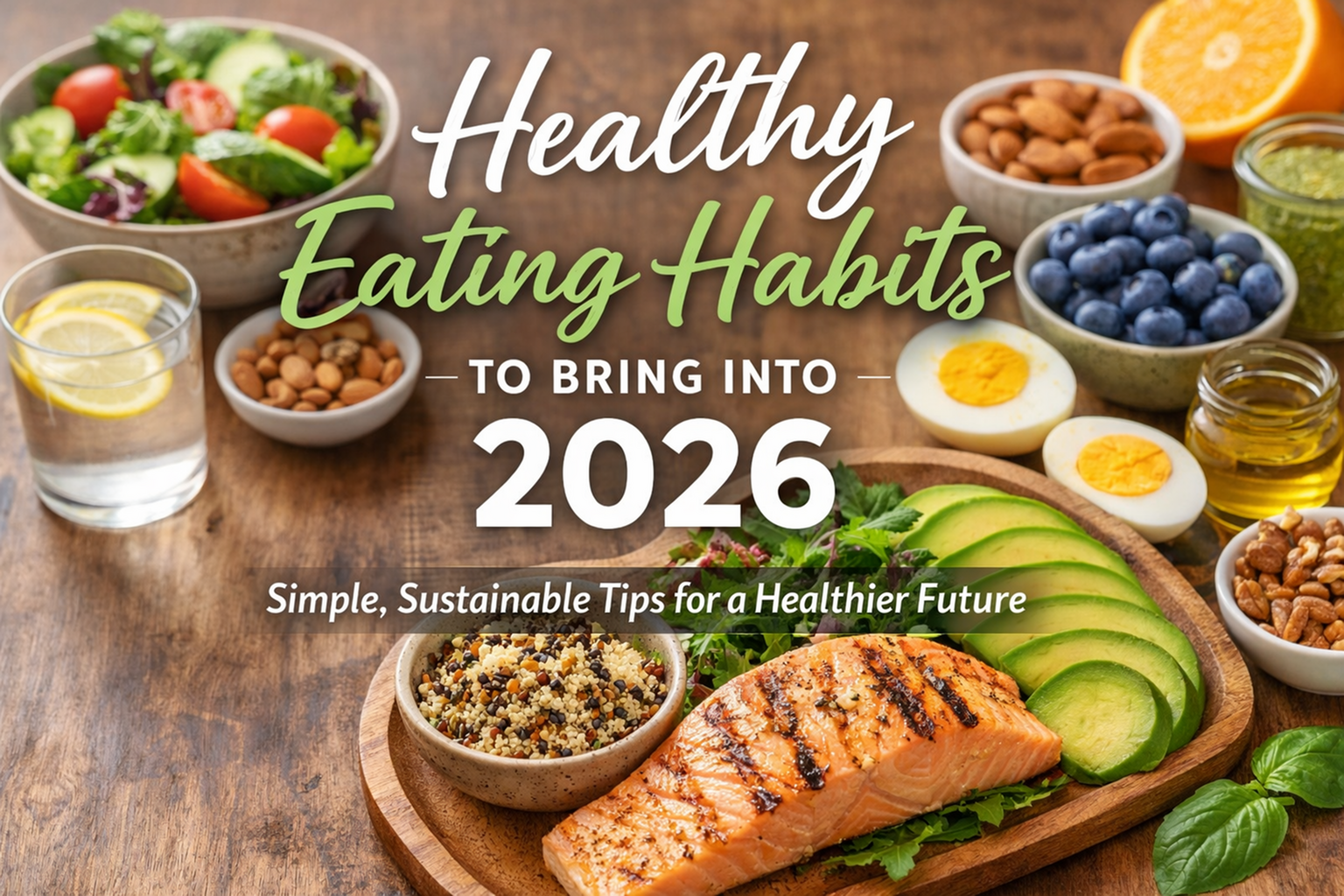
As we move into a new year, many people set goals around eating better and feeling healthier. The key to long-term success isn’t drastic diets or strict rules — it’s building habits that are realistic, flexible, and sustainable. Here are healthy eating habits worth carrying into 2026 to support your energy, wellness, and everyday life.
Focus on Balance, Not Restriction
Healthy eating doesn’t mean cutting out foods you love. Instead, aim for balance at each meal. Fill your plate with a mix of fruits, vegetables, protein, healthy fats, and carbohydrates. When your meals are balanced, you’re more likely to feel satisfied and less tempted to overeat later. Consistency matters more than perfection.
Build Simple, Repeatable Meal Routines
You don’t need new recipes every day to eat well. Having a few go-to breakfasts, lunches, and dinners makes healthy eating easier and less stressful. Preparing ingredients like proteins, grains, or vegetables ahead of time can save time during busy weeks and help you avoid last-minute, less nutritious choices.
Make Hydration a Daily Priority
Drinking enough water supports digestion, energy levels, and overall health. Starting your morning with a glass of water and keeping a refillable bottle nearby throughout the day can make hydration feel effortless. If plain water feels boring, try adding lemon, cucumber, or fresh herbs for flavor.
Practice Mindful Eating
Mindful eating is about slowing down and paying attention to your food. Eating without distractions allows you to better recognize hunger and fullness cues. Taking time to enjoy your meals can improve digestion and help prevent overeating while making meals more enjoyable.
Prioritize Protein and Fiber
Protein and fiber play a major role in keeping you full and energized. Including a protein source and fiber-rich foods like fruits, vegetables, whole grains, or legumes at each meal can help stabilize blood sugar and reduce unnecessary snacking throughout the day.
Be Ingredient-Aware, Not Obsessed
You don’t need to count every calorie to eat healthier. Becoming more aware of ingredients can help you make informed choices. Limiting ultra-processed foods and choosing whole or minimally processed options most of the time can support better nutrition without feeling restrictive.
Cook at Home More Often
Cooking at home gives you more control over ingredients and portions. Even simple meals like sheet-pan dinners, one-pot recipes, or slow-cooker meals can be nourishing and time-efficient. Cooking just a few extra meals at home each week can make a noticeable difference.
Allow Room for Enjoyment
A healthy relationship with food includes enjoyment. Allow yourself to eat your favorite foods without guilt. Labeling foods as good or bad can create unnecessary stress. Instead, focus on how different foods make you feel and aim for balance over time.
Plan Ahead Without Overplanning
A little planning goes a long way. Creating a basic grocery list or outlining meals for the week can reduce decision fatigue and help you stay on track. Keeping healthy snacks on hand also makes it easier to make nourishing choices when hunger strikes.
Support Nutrition with Lifestyle Habits
Healthy eating works best alongside other supportive habits like getting enough sleep, managing stress, and staying active. These lifestyle factors influence hunger, cravings, and energy levels just as much as food does.
Final Thoughts
The healthiest eating habits for 2026 are the ones you can maintain long-term. Small, consistent changes add up over time and create a foundation for lasting wellness. By focusing on balance, mindfulness, and practicality, you can build habits that support both your health and your lifestyle throughout the year and beyond.