
Posts about Apartments

What to Ask Before Signing a Lease-image

Finding the right apartment is an exciting step, but before signing a lease, it is important to understand exactly what you are agreeing to. Renting a new home involves more than choosing a floor plan and deciding when to move in. From monthly expenses and lease terms to maintenance responsibilities and community policies, asking the right questions ahead of time can help you avoid surprises later. Whether you are renting your first apartment or moving into a new place, taking the time to review the details can make the entire process smoother. Here are some important questions to ask before signing your next lease. 1. What Is Included in the Monthly Rent? Before committing to an apartment, make sure you understand the full cost of living there. While the advertised rent is a good starting point, there may be additional monthly expenses to consider. Ask questions such as: Are utilities included in the monthly rent? Which utilities am I responsible for paying? Are there additional monthly fees for parking, garages, pets, or amenities? When is rent due each month? Are there late fees if rent is paid after the due date? Understanding the total monthly cost can help you create a realistic budget and avoid unexpected expenses after moving in. 2. How Long Is the Lease Term? Lease terms can vary depending on the property and the type of rental you choose. Before signing, make sure the lease length fits your plans. Consider asking: How long is the lease agreement? What happens when my lease ends? Is renewing the lease an option? How much notice is required if I plan to move out? Are there fees or penalties for ending the lease early? Knowing these details can help you plan ahead, especially if your work, school, or personal circumstances may change during your lease. 3. What Deposits and Upfront Costs Are Required? Moving into a new apartment often involves several upfront expenses in addition to the first month's rent. Understanding these costs ahead of time can help you prepare financially. Be sure to ask: Is a security deposit required? Are there additional deposits based on screening results or other requirements? Is there an application fee? Are there administrative or other move-in fees? What conditions must be met for my deposit to be refunded when I move out? Having a clear understanding of your move-in costs can make it easier to plan your budget and avoid last-minute surprises. 4. What Is the Maintenance Request Process? Maintenance is an important part of apartment living. Before moving in, it is helpful to understand how repairs are handled and who to contact when something needs attention. Ask your leasing team: How do I submit a maintenance request? Who should I contact for an emergency maintenance issue? What is the typical process for handling repairs? Are residents responsible for any routine maintenance tasks? How are maintenance visits scheduled? Knowing what to expect can give you peace of mind if an appliance stops working or something in your apartment needs attention. 5. What Are the Community Rules and Policies? Every apartment community has policies designed to help maintain the property and create a comfortable living environment for residents. Reviewing these rules before signing your lease can help you determine whether the community is the right fit for you. Some helpful questions include: What is the community's pet policy? Are there restrictions on decorating or making changes to the apartment? What are the parking rules? Are there quiet hours or guest policies? Are there rules regarding smoking, grills, or outdoor spaces? Understanding community policies ahead of time can help you feel more prepared and avoid potential misunderstandings later. 6. What Should I Know About Moving In? Once your application is approved and your lease is signed, you will want to know what to expect on move-in day. Asking about the process ahead of time can help everything go more smoothly. Consider asking: When can I pick up my keys? Do I need to schedule a move-in appointment? How do I receive access codes, parking permits, or garage openers? Is there a move-in inspection or checklist to complete? Who should I contact if I have questions after moving in? Preparing for move-in day can help you settle into your new home with less stress. 7. What Amenities and Features Are Available? If the apartment community offers amenities, make sure you understand which features are available to residents and whether any additional rules or fees apply. You may want to ask: Which amenities are included with my rent? Are there specific hours or restrictions for using community amenities? Is parking assigned or available on a first-come, first-served basis? Are storage spaces or garages available? Are there any additional fees to use certain features? These details can help you decide whether the apartment community fits your lifestyle and daily needs. 8. What Happens If My Plans Change? Life can be unpredictable, so it is helpful to understand your options if your circumstances change during your lease. Ask your leasing team: What happens if I need to move before my lease ends? Are lease transfers or subleasing permitted? What happens if I need to add or remove someone from the lease? What is the process for renewing my lease? How much notice is required before moving out? Reviewing these details before signing can help you understand your responsibilities and plan for the future. Take Your Time Before Signing Signing a lease is an important commitment, and you should feel comfortable with the terms before agreeing to them. Take the time to read the entire agreement, ask questions about anything that is unclear, and make sure you understand the costs, policies, and responsibilities involved. A little preparation can go a long way toward making your renting experience more enjoyable. By asking the right questions before signing, you can feel more confident about your decision and better prepared for your next chapter in a new home.

Read more
What to Look for When Touring an Apartment-image

Finding the right apartment is an exciting step, but choosing a new place to live involves more than finding a floor plan you like. Touring an apartment gives you the opportunity to explore the space, learn about the community, and decide whether it fits your lifestyle, needs, and budget. Whether you are renting for the first time or looking for a new place to call home, knowing what to look for during a tour can help you make a more confident decision. From checking the layout and storage space to asking about amenities and monthly costs, a little preparation can go a long way. Here are some important things to look for when touring your next apartment. 1. Pay Attention to the Floor Plan and Layout One of the first things to consider during an apartment tour is how the space is arranged. An apartment may look great in photos, but seeing it in person helps you determine whether the layout works for your everyday routine. As you walk through the apartment, consider how you would arrange your furniture, where you would store your belongings, and whether there is enough room for your daily activities. Things to look for include: Living space: Is there enough room for your furniture and everyday activities? Bedroom size: Will your bed, dressers, and other furniture fit comfortably? Kitchen layout: Is there enough counter space and storage for your cooking needs? Closet space: Are there enough closets to keep your belongings organized? Natural lighting: Do the windows provide enough natural light throughout the day? Try to picture yourself living in the space rather than focusing only on how it looks during the tour. 2. Check the Condition of the Apartment An apartment tour is a great opportunity to look at the overall condition of the home before moving in. Take a few moments to inspect the areas you will use every day and ask questions if something is unclear. Pay attention to: Walls, floors, and ceilings Windows, window coverings, and door locks Kitchen appliances and cabinets Bathroom fixtures, faucets, and water pressure Heating and cooling systems Signs of leaks, water damage, or unusual odors You do not need to inspect every detail like a professional, but noticing the general condition of the apartment can help you know what to expect. If you notice anything that concerns you, bring it up with the leasing team. 3. Ask About Storage and Organization Storage is easy to overlook when touring an apartment, but it can make a big difference in your day-to-day comfort. Think about where you would keep clothing, cleaning supplies, seasonal decorations, luggage, and other belongings. During your tour, look for bedroom closets, kitchen cabinets, bathroom storage, linen closets, and any additional storage options. You may also want to ask whether garages or separate storage spaces are available. If you have larger belongings, outdoor equipment, or seasonal items, knowing your storage options ahead of time can help you determine whether the apartment will meet your needs. 4. Learn About Monthly Costs and Fees Before choosing an apartment, make sure you understand the full cost of renting. Monthly rent is an important factor, but there may be additional expenses to consider when planning your budget. Questions to ask during your tour include: Which utilities are included in the rent? Which utilities will I need to pay separately? Are there monthly fees for parking, garages, or pets? What deposits and move-in costs are required? Are there application or administrative fees? Understanding these expenses before applying can help you compare apartments more accurately and avoid surprises later. 5. Explore the Community Amenities Amenities can make apartment living more convenient and enjoyable, depending on your lifestyle. During your tour, ask which amenities are available and whether any additional fees or restrictions apply. Some features to look for include: Fitness centers Swimming pools Outdoor spaces and picnic areas Clubhouses or community gathering spaces Garages and additional parking options Pet-friendly features, if applicable Think about which amenities you would realistically use. A fitness center may be valuable if you enjoy working out, while outdoor spaces may be more appealing if you like spending time outside. Choosing a community with features that fit your routine can make your living experience more enjoyable. 6. Check Parking and Accessibility Parking and accessibility are important details that can affect your daily routine. During your tour, take a look at the parking areas and consider how convenient they would be for you and your household. Ask questions such as: Is parking assigned or unassigned? Are garages available? Is there designated guest parking? How close is the parking area to the apartment? Are there stairs, elevators, or other accessibility considerations? If you have multiple vehicles, frequently host visitors, or need convenient access to your home, make sure the available options work for your situation. 7. Consider the Location and Surrounding Area An apartment is more than just the space inside your front door. The surrounding neighborhood and its convenience can play a big role in your overall living experience. Consider how close the community is to places you visit regularly, such as work, school, grocery stores, restaurants, parks, and shopping centers. If possible, explore the surrounding area before or after your tour. Think about your commute, access to major roads, and the types of businesses and services nearby. It can also be helpful to ask about the community's general parking arrangements, outdoor spaces, and other features that may affect your daily routine. 8. Ask About Maintenance and Resident Support Knowing how maintenance requests are handled can help you feel more comfortable about living in a community. Even a well-maintained apartment may occasionally need repairs, so it is helpful to understand what support is available. Consider asking: How do residents submit maintenance requests? Who should I contact for urgent maintenance issues? What is the process for scheduling repairs? Where can I go with questions about rent, lease terms, or community policies? Understanding how to get assistance can give you peace of mind and help you know what to expect after moving in. 9. Find Out About Lease Terms and Community Policies Before making a decision, take time to learn about the lease agreement and the rules that apply to residents. These details can affect your budget, flexibility, and overall experience. Be sure to ask about: Available lease lengths Lease renewal options Pet policies and any related fees Guest and parking policies Move-in requirements Notice requirements for moving out You do not need to have every detail memorized during your tour, but knowing which questions to ask can help you feel more prepared before submitting an application or signing a lease. 10. Bring a List of Questions It is easy to forget questions when you are walking through an apartment and looking at everything for the first time. Before your tour, consider making a short checklist of the things that matter most to you. Your checklist might include: Monthly rent and additional costs Available move-in dates Floor plan dimensions and storage Included appliances and utilities Parking and garage options Community amenities Pet policies Lease terms and application requirements If you are touring multiple apartments, taking notes and photos when permitted can help you compare your options afterward. This can be especially useful when several communities offer similar floor plans or amenities. Find the Right Fit for Your Lifestyle Touring an apartment is an important step in finding a place you will feel comfortable calling home. By paying attention to the layout, condition, storage, amenities, costs, and surrounding area, you can get a better understanding of whether a community fits your needs. Remember that the right apartment is not necessarily the one with the most features. It is the one that works best for your lifestyle, budget, and everyday routine. Take your time, ask questions, and do not be afraid to request clarification if something is unclear. A little preparation can help you feel more confident in your decision and make the apartment-hunting process much easier. If you are looking for your next home, scheduling a tour is a great way to explore your options, see available floor plans in person, and learn more about what a community has to offer.

Read more
Apartment vs. Townhome: Which One Is Right for You?-image

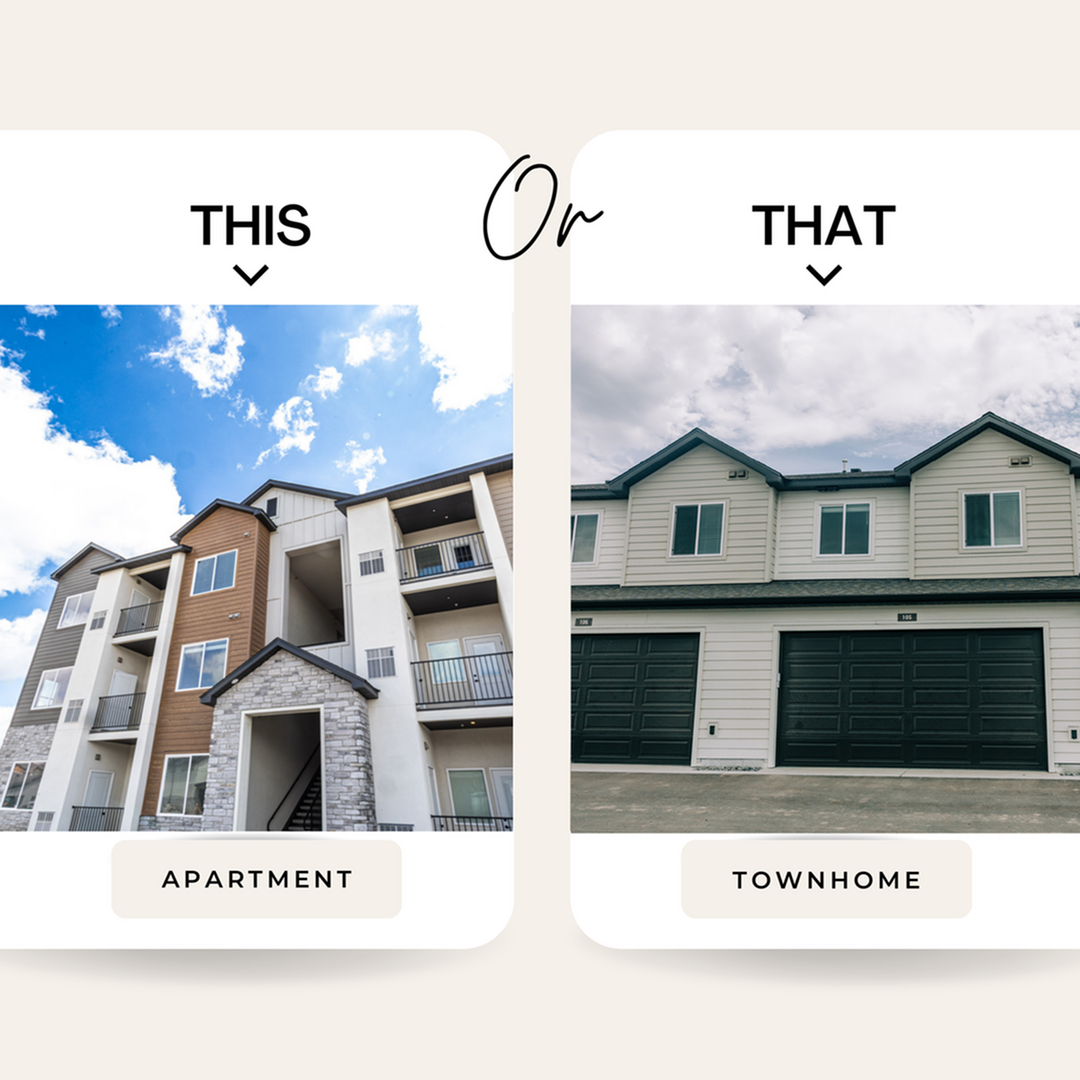
Finding the right place to live is an exciting part of renting, but with so many options available, it can sometimes feel overwhelming. Apartments and townhomes each offer their own benefits, and the best choice depends on your lifestyle, space needs, budget, and personal preferences. Understanding the differences between the two can help you decide which type of home is the right fit for you. What Is the Difference Between an Apartment and a Townhome? The biggest difference often comes down to layout and living space. Apartments are typically located within a larger building and may have neighbors on one or more sides. Townhomes are usually multi-level homes with their own entrance and may offer more separation between living spaces. Both can offer comfortable living, community amenities, convenient locations, and maintenance services. The right option depends on what you want from your home. Apartments: Convenient and Comfortable Living Apartments can be a great option for renters who value convenience and community amenities. Many apartment communities offer features such as fitness centers, swimming pools, clubhouses, outdoor spaces, and on-site maintenance. Apartment living can also be a good fit if you prefer having everything on one level. Depending on the floor plan, you may be able to move easily between your kitchen, living room, bedroom, and bathroom without using stairs. An apartment may be right for you if you: Prefer a convenient, low-maintenance lifestyle Enjoy community amenities Want a single-level floor plan Like being close to shared community spaces Don't need a large amount of living or storage space Townhomes: More Space and Privacy If you want more space while still enjoying the convenience of renting, a townhome could be a great choice. Townhomes often have multiple levels, which can create more separation between living areas and bedrooms. For example, you might have your kitchen and living room on the main level, with bedrooms located upstairs. This layout can provide a little more privacy and make the home feel more similar to a traditional house. Townhomes may also offer additional features such as private entrances, garages, or extra storage, depending on the community. A townhome may be right for you if you: Want more living space Prefer multiple levels Like having more separation between rooms Want additional privacy Need extra storage Enjoy having a private outdoor area Think About Your Lifestyle When deciding between an apartment and a townhome, think about how you actually spend your time at home. Do you enjoy entertaining friends? A townhome with a larger living area may give you more room to host. Do you prefer a simple space that's easy to maintain? An apartment could be a better fit. If you work from home, consider how much space you need for a dedicated workspace. If you have a pet, think about access to outdoor areas and nearby walking spaces. Your daily routine can tell you a lot about which type of home will work best. Consider Your Space Needs Think about what you currently own and how much space you need to live comfortably. If you have a lot of furniture, seasonal decorations, sports equipment, or other belongings, additional storage may be important. A townhome may offer more room to spread out, while an apartment may be ideal if you prefer keeping things simple and organized. Remember that more space isn't always better. The goal is to find a home that provides enough room for your lifestyle without paying for space you don't need. Don't Forget About Outdoor Space Outdoor space can also be an important factor when choosing your next home. Some apartments offer balconies or shared outdoor areas, while townhomes may offer patios or private outdoor spaces. Consider how you would use the space. Would you enjoy having your morning coffee outside? Do you like gardening or spending time with friends outdoors? Do you have a pet that would benefit from easy outdoor access? Thinking about how you'll use your outdoor space can help you determine which option makes the most sense. Look at the Amenities Amenities can make a big difference in your rental experience, so be sure to consider what's available at each community. Depending on the property, amenities might include: Fitness centers Swimming pools Clubhouses Outdoor gathering spaces Dog parks or pet-friendly features Playgrounds Parking Package services On-site maintenance Make a list of the amenities that matter most to you and compare them when touring different communities. Think About Convenience and Maintenance One of the benefits of renting is having a property management team available to help with maintenance and community needs. Before choosing your next home, ask how maintenance requests are handled and what responsibilities you'll have as a resident. You should also consider things like parking, laundry, trash services, and access to community amenities. The little conveniences can make a big difference in your everyday experience. Apartment or Townhome: Which One Is Right for You? There isn't one right answer for everyone. An apartment may be the perfect choice if you value convenience, amenities, and a simple layout. A townhome may be a better fit if you're looking for more space, privacy, and a home-like layout. The best way to decide is to consider your budget, lifestyle, space needs, and priorities. Make a list of your must-haves, tour a few options, and think about what you can see yourself enjoying every day. Find Your Next Home Whether you prefer the convenience of an apartment or the additional space of a townhome, finding the right home starts with knowing what matters most to you. Ready to explore your options? Take a look at our available apartments and townhomes and find a space that fits your lifestyle!

Read more
Easy Apartment Decorating Ideas That Make a Big Impact-image

Your apartment should feel like home, and you don't need a complete makeover to make that happen. A few simple decorating changes can transform your space, add personality, and create a more comfortable atmosphere. Whether you're moving into your first apartment or simply ready for a refresh, there are plenty of easy ways to update your space without making major changes. Here are some simple apartment decorating ideas to help you create a space you love coming home to! Start With a Color Palette One of the easiest ways to make an apartment feel put together is to choose a simple color palette. Pick two or three colors that you enjoy and look for ways to incorporate them throughout your space. You can use throw pillows, blankets, rugs, artwork, and other small decorations to bring your colors into  different rooms. Neutral colors can create a calm and timeless look, while pops of color can add personality and make your space feel more inviting. You don't have to match everything perfectly. The goal is to create a look that feels cohesive while still reflecting your personal style. Add Cozy Textures If your apartment feels a little plain, try adding different textures. Soft blankets, accent pillows, area rugs, curtains, and upholstered furniture can instantly make a room feel warmer and more comfortable. Layering textures is also an easy way to make your space feel more inviting without adding a lot of decorations. Try placing a cozy throw over the back of your sofa or adding a soft rug underneath your coffee table. Use Lighting to Set the Mood Good lighting can make a big difference in how your apartment feels. While overhead lighting is useful, adding a few lamps throughout your home can create a softer and more relaxing atmosphere. Consider adding a floor lamp to your living room, a table lamp to your bedroom, or even decorative string lights to create a cozy corner. Choosing warm-toned light bulbs can also help create a comfortable feeling, especially in the evening. Bring the Outdoors In Plants are an easy way to add color and life to your apartment. Whether you prefer large floor plants, small potted plants, or low-maintenance options, greenery can make a space feel fresh and inviting. Don't have a green thumb? No problem! Artificial plants and flowers can provide a similar decorative touch without requiring regular watering. You can also incorporate natural materials through woven baskets, wood accents, or other nature-inspired décor. Make Your Walls Your Own Your walls are a great opportunity to show off your personality. Artwork, framed photos, mirrors, and other wall décor can help make your apartment feel more personal. If you're renting, look for renter-friendly ways to hang decorations that follow your community's guidelines. Removable hooks and other temporary solutions can make it easier to decorate without making permanent changes. A large piece of artwork can make a statement, while a collection of smaller frames can create a gallery wall that showcases your favorite photos and memories. Create a Cozy Living Room Your living room is often one of the most-used spaces in your home, so make it somewhere you actually want to spend time. Start with comfortable seating, then add a few pillows, a throw blanket, and a rug to create a cozy atmosphere. A coffee table can provide both function and style, while a few carefully chosen decorations can finish the space without making it feel cluttered. Think about how you like to use your living room. If you enjoy movie nights, create a comfortable setup for relaxing with your favorite snacks and shows. If you enjoy hosting friends, arrange your furniture to encourage conversation. Don't Forget Your Bedroom Your bedroom should be a place where you can relax and recharge. Keep the décor simple and choose colors and textures that help create a peaceful atmosphere. Fresh bedding, a few decorative pillows, soft lighting, and a bedside lamp can make a noticeable difference. Adding a small rug or a piece of artwork can also help make the room feel more complete. Make the Most of Small Spaces You don't need a large apartment to have a beautifully decorated home. When space is limited, focus on pieces that are both functional and decorative. Use baskets to organize belongings, choose furniture with built-in storage when possible, and take advantage of vertical space. Mirrors can also help make a room feel more open and can reflect natural light. Most importantly, avoid filling every empty corner. Giving your décor a little breathing room can make your apartment feel more spacious and organized. Give Your Outdoor Space Some Attention If your apartment or townhome has a patio or balcony, don't let that space go unused! A small outdoor area can become an extension of your living space with just a few simple additions. Try adding a couple of comfortable chairs, a small table, some potted plants, or outdoor-friendly lighting. It can quickly become a favorite spot for morning coffee, reading, or enjoying a beautiful evening. Decorate With What You Love The best decorating advice is to create a space that feels like you . You don't have to follow every decorating trend or completely redesign your apartment to make it feel special. Start small. Add a few pieces that bring you joy, rearrange your furniture, introduce some new textures, or add a little greenery. Sometimes the smallest changes can make the biggest difference. Ready to Make Your Apartment Feel Like Home? Creating a space you love doesn't have to be complicated or expensive. With a few thoughtful touches, you can turn your apartment or townhome into a comfortable space that reflects your personality and lifestyle. Whether you're settling into a new home or simply ready for a refresh, start with one small change and see where it takes you!

Read more
Apartment Amenities: Which Ones Are Really Worth It?-image

When searching for a new apartment or townhome, amenities can play a big role in deciding where you want to live. From fitness centers and swimming pools to outdoor spaces and convenient parking, the right amenities can make everyday life easier and more enjoyable. But with so many options to consider, how do you know which ones are actually worth it? The answer depends on your lifestyle, daily routine, and the features you know you will use most. Here are some apartment amenities worth considering when searching for your next home. Fitness Centers If staying active is part of your routine, having a fitness center right where you live can be a major convenience. An on-site gym means you don't have to drive somewhere else to get your workout in, making it easier to fit exercise into a busy schedule. A fitness center can be especially helpful during busy weekdays or when the weather makes traveling to a gym less appealing. If you already have a gym membership, consider whether an apartment community's fitness center could save you time and money. Worth it if: You enjoy working out or want a convenient way to stay active. Pools and Outdoor Spaces A pool can be a great amenity for relaxing, cooling off, or enjoying time with friends during the warmer months. Other outdoor features, such as patios, fireplaces, courtyards, and community seating areas, can give you additional spaces to enjoy outside of your apartment. Outdoor amenities can also be a great way to get some fresh air without having to leave your community! Worth it if: You enjoy spending time outdoors or want additional spaces to relax and entertain. Clubhouses and Community Spaces Sometimes you want a change of scenery without actually leaving home. Clubhouses and shared community spaces can provide a comfortable place to relax, work, study, or spend time with friends. These spaces can also make it easier to meet your neighbors and feel connected to your community. If you work from home, having a shared space can provide a nice alternative to working from your apartment every day. Worth it if: You work from home, enjoy socializing, or like having additional spaces to use. Pet-Friendly Amenities For pet owners, a pet-friendly community can make apartment living much easier. Some communities offer features specifically designed with pets in mind, such as dog parks, pet washing stations, or nearby walking areas. Being able to take care of some of your pet's needs without leaving the community can save time and make daily routines more convenient. Worth it if: You have a pet and want a community that makes pet ownership easier. In-Unit Laundry In-unit laundry is one of those conveniences you may not think much about until you have experienced it. Being able to wash and dry your clothes at home can save time and eliminate trips to a shared laundry room or laundromat. For busy renters, this simple feature can make a noticeable difference in everyday life. Worth it if: You value convenience and want to handle laundry on your own schedule. Parking Parking may not be the first amenity that comes to mind when apartment hunting, but it can have a major impact on your daily routine. Before choosing a community, consider whether parking is included, whether spaces are assigned, and whether there are options for guests. If you have multiple vehicles, make sure you understand the community's parking policies before signing a lease. Worth it if: You drive regularly and want convenient, reliable parking close to home. Maintenance and Resident Services Not every valuable amenity is something you can see during a tour. Reliable maintenance and helpful resident services can make a significant difference in your experience. Before choosing a community, find out how maintenance requests are submitted and how residents can contact the property management team. A responsive team can give you peace of mind when something in your home needs attention. Worth it if: You want convenience, support, and peace of mind throughout your lease. Which Amenities Are Worth It for You? The best apartment amenities aren't necessarily the ones with the longest list. They're the ones you'll actually use. Think about your daily routine and what would make your life easier or more enjoyable. Do you love working out? A fitness center might be a priority. Spend your weekends outside? Look for a pool or inviting outdoor spaces. Have a pet? A pet-friendly community with additional pet amenities could make a big difference. Prefer convenience? In-unit laundry, parking, and reliable maintenance may be more important to you. Before choosing your next home, make a list of your must-have amenities and your nice-to-have features. This can help you compare communities and find a home that fits your lifestyle. The right apartment or townhome should be more than just a place to live. It should provide the comfort, convenience, and features that fit the way you live!

Read more
Moving Into Your First Apartment? Start Here!-image

Moving into your first apartment is an exciting step, but it can also come with a lot of questions. From figuring out your budget and choosing the right floor plan to understanding your lease and knowing what to bring on move-in day, there’s plenty to consider. The good news? You don’t have to figure it all out on your own! This guide covers the essentials every first-time renter should know to help make the process easier, more organized, and a little less overwhelming. Start with a Budget Before you start touring apartments, it’s important to know what you can comfortably afford each month. Rent is only one part of your monthly housing expenses. Be sure to consider utilities, renters insurance, parking, pet fees, and other potential costs. It’s also a good idea to plan for one-time expenses such as an application fee, security deposit, moving costs, and furniture. Creating a simple budget ahead of time can help you narrow down your options and avoid unexpected expenses later. Tip: Make a list of your monthly expenses and leave some room in your budget for savings and unexpected costs. Make a List of Your Must-Haves Not every apartment will have everything you want, so decide what matters most to you before you begin your search. Think about things like: Number of bedrooms and bathrooms In-unit or on-site laundry Parking Pet-friendly policies Storage space Outdoor space Fitness or community amenities Location and commute time Separating your must-haves from your nice-to-haves can make apartment hunting much easier! Understand Your Lease Before Signing Your lease is an important part of renting, so take time to read it before signing. Make sure you understand the monthly rent, lease length, security deposit, due dates, fees, maintenance responsibilities, and rules regarding guests, pets, parking, and renewals. If there’s something you don’t understand, ask the property management team to explain it. Knowing what you’re agreeing to can help prevent surprises down the road. Create a First-Apartment Shopping List You don’t need to completely furnish your apartment on day one. Start with the essentials and add things over time! Kitchen: Dishes, cups, silverware, cookware, food-storage containers, and basic cleaning supplies. Bedroom: Sheets, blankets, pillows, hangers, and a bedside lamp. Bathroom: Towels, a shower curtain, toiletries, and a bath mat. Cleaning: Trash bags, paper towels, laundry supplies, a vacuum or broom, and multipurpose cleaner. Living Space: Seating, lighting, and a few decorations to make the space feel like home. Starting with the basics can help you avoid overspending while you’re still getting settled. Prepare for Move-In Day Move-in day can be hectic, so having a plan can make everything go more smoothly. Pack a separate bag or box with the things you’ll need right away, such as toiletries, phone chargers, medications, basic cleaning supplies, toilet paper, snacks, and a change of clothes. Before unpacking everything, take a quick look around your new home and document any existing damage or issues. If your property management team provides a move-in checklist, complete it and return it as instructed. Get to Know Your New Community Once you’ve settled in, take some time to get familiar with your new community. Find out where the mailboxes, parking areas, trash facilities, and shared amenities are located. If your community has a fitness center, pool, clubhouse, or other amenities, take advantage of them! You may even meet or become friends with some of your neighbors along the way. Ask Questions When You Need Help Being a first-time renter doesn’t mean you’re expected to know everything. If you have questions about maintenance, community policies, your lease, or something else related to your home, reach out to your property management team. A good community should make it easy for residents to get the information and support they need. Ready for Your First Apartment? Your first apartment is a big milestone, and the right home can make the experience even better. By creating a realistic budget, knowing what you need, asking questions, and preparing ahead of time, you can feel more confident throughout the rental process.

Read more